|
|
Social housing in Luanda con Daiana Lorenzi
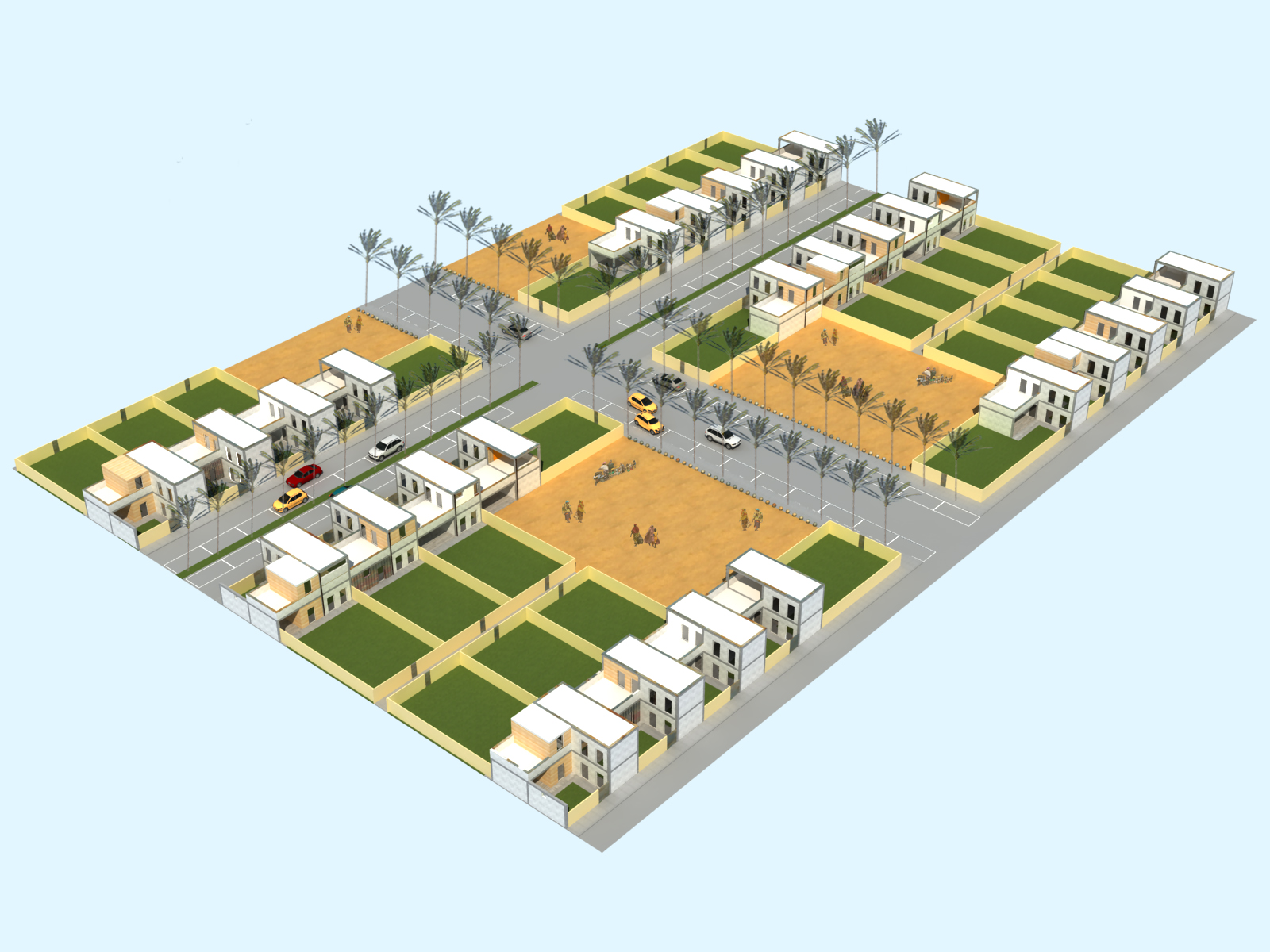
Luanda Angola Cliente: Trienal de arquitectura de Lisboa Programma: Masterplan per un nuovo quartiere in social housing Progetto: 2010 Area: 100.000 m2 S.l.p. residenza: 50.000 m2 Servizi locale e urbani: 9000m2 Verde urbano: 20.000m2 Volume: 150.000m3 Budget: N.D. Categoria: competition.housing.interior.urban. |
 |
BONES
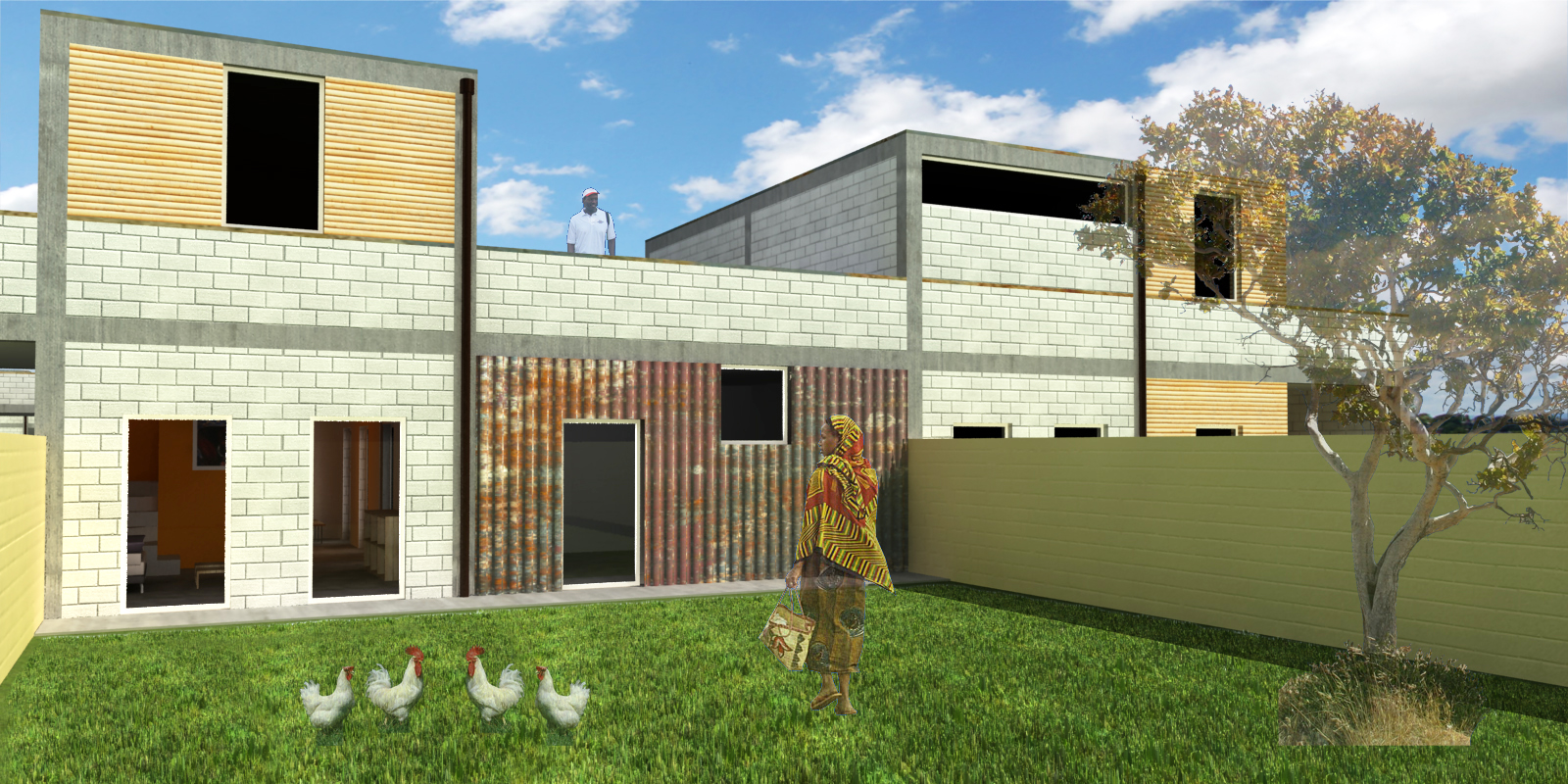
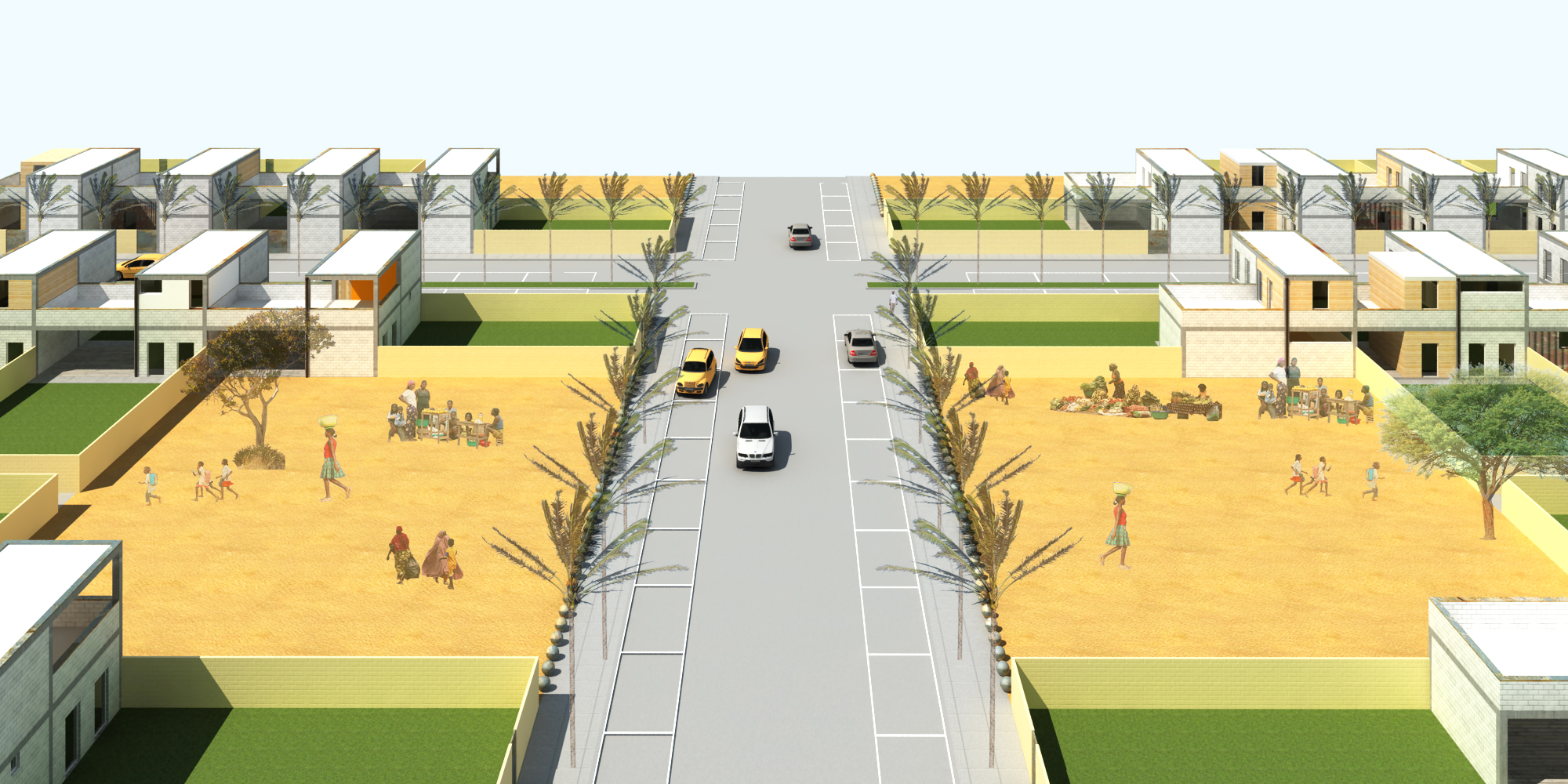
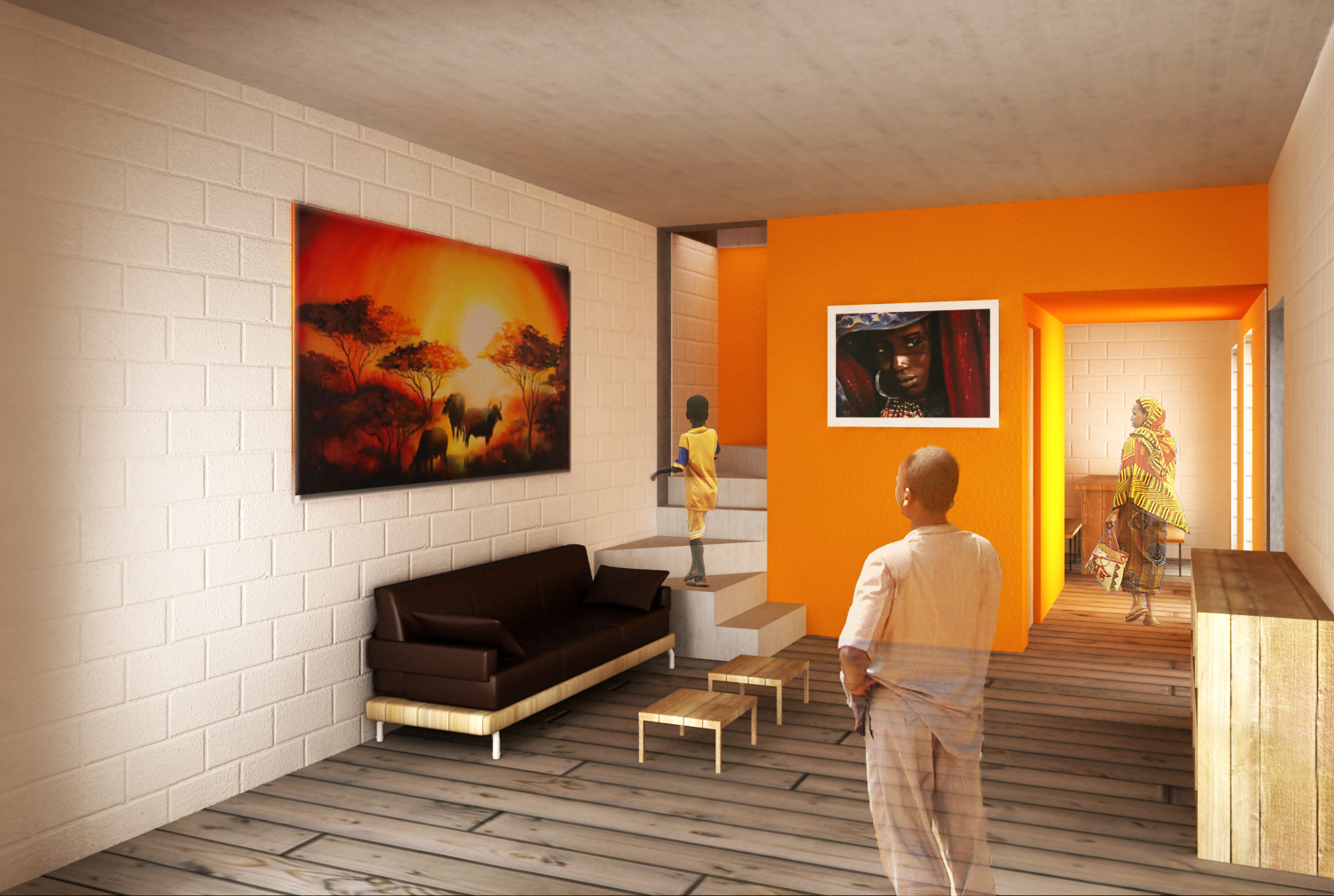
we build the bones......you fill them!!!! Lots of people in Luanda live in the slum because they don't have enough money to build a real house. The slum doesn't have any type of urban structure, services or facility, for this the people live in difficult health conditions. This fact increase the diffusion of disease and mortality.To avoid this situations is necessary to improve the urban fabric of the city giving to the quarters the basic services like roads, sewerage system, clean waterThis prototype consist essentially in a concrete bones structure, ceilings and a stair, and the future residents have to fill them using different kind of material in order to create new spaces for living.Every unit is made of 4 modules A 4mx5m and 1 module B 6mx5m. The concrete structure has a 25cm x 25cm section. Only 3 of the A modules are going to be finished with wall, waterworks, sewer and electric systems, in order of giving a kitchen, a bathroom, a living room and a bedroom to the future family. Than the residents will fill the spaces and will have a 3 or 4 bedroom, enough for 9 people. SOMETHING ABOUT CONSTRUCTION How can you built a 100 m² safe house spending only 25.000,00 €? This is the question! For this reason we found that the best approach would be build the structure using a quite easy material: concrete. In this way the module can be safety and durable and the concrete is a sustainable resource and very diffuse in Angola. Furthermore the house will survive for long time. To fill the structure we think that the concrete blocks are absolutely economic and very easy to found. The floor is made by wooden boards because it’s a natural material, very sustainable, easy to clean and very comfortable. The windows probably should be bought abroad because they are made in natural aluminium and glass; of course this is not an easy solution but, because it's a quite old technology in other country, they should be inexpensive. When the pavillon will be finished the family will start to fill the structure with all the material that they can found, like wood, concrete blocks, metal corrugated sheets, bricks etc... |
 |
|
|